Fence Cost Per Linear Foot in 2026: What to Actually Expect
National cost ranges per linear foot for seven fence types, the six factors that move your price, and how to compare two bids fairly.
8 min read · Updated October 2026
The 2026 ranges in one place
Installed prices below include materials and labor for a typical residential fence on flat ground. DIY figures are materials only.
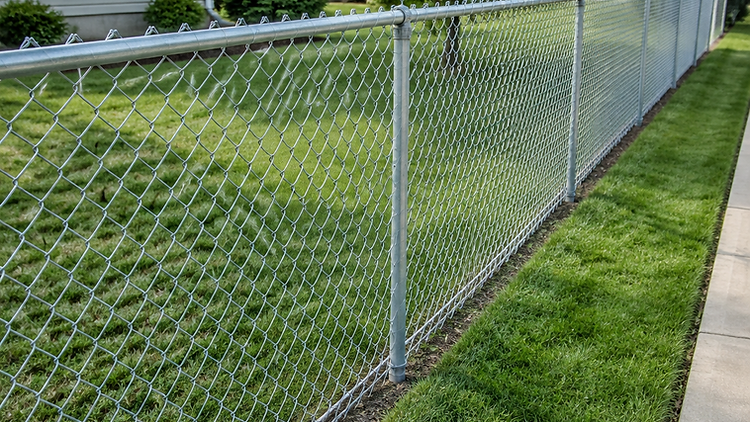
- Chain link: $16 to $30 per linear foot installed, $7 to $14 DIY
- Ranch rail: $18 to $32 installed, $7 to $14 DIY
- Wood picket: $22 to $40 installed, $8 to $16 DIY
- Wood privacy: $30 to $60 installed, $12 to $22 DIY
- Vinyl privacy: $32 to $60 installed, $16 to $26 DIY
- Aluminum ornamental: $38 to $70 installed, $18 to $30 DIY
- Composite privacy: $45 to $85 installed, $22 to $38 DIY
These are national ranges. The same 150 ft cedar privacy fence can be $4,500 in one market and $7,800 in another. Most of that gap is labor, not lumber.
What actually drives your price
Height
Every foot of height adds material and wind load, so posts get longer and holes get deeper. Going from 4 ft to 6 ft in wood typically adds 25 to 40 percent to the total.
Post spacing
Posts, concrete and rails are counted per section, so 8 ft spacing uses 30 percent more posts and concrete than 10 ft spacing on the same run. Wider spacing is cheaper up front but needs heavier rails to avoid sagging.
Gates
A gate is the single most expensive line item per foot of anything in the estimate. Hardware kits, bracing and extra concrete add up fast: a drive gate can cost as much as 20 ft of fence.
Terrain and access
Slopes, tight side yards, rocky ground and long carries all add labor hours. If a crew has to hand-dig through caliche or haul panels 200 yards, expect a surcharge. Retaining or stepping a fence on a slope takes real skill and real time.
Removal and disposal
Tearing out an old fence and hauling it off typically runs $4 to $8 per linear foot, sometimes more when a concrete footer has to come out.
Permits and inspections
Permit fees vary wildly by municipality, from nothing to a few hundred dollars, and pool barriers usually require an inspection.
Region and season
Crew rates track local wages, and material prices move with lumber markets. Late spring is the busiest season, so pricing is softest in late fall and winter.
Why two bids for the same fence differ by 40 percent
One contractor quotes 9 ft post spacing with two rails and 1x4 pickets. Another quotes 8 ft spacing, three rails and 1x6 pickets. Both say "6 ft cedar privacy fence." The second fence has 30 percent more posts, 50 percent more rails and 35 percent more pickets, and it will still be straight in ten years while the first one sags.
When you compare bids, compare the specification, not the subtitle. Ask for post spacing, rail count, board size, concrete depth, fastener type and gate hardware.
How to build a bid-proof comparison
Use the calculator to price the specification you want, then ask each contractor to quote that exact spec. Now you are comparing labor and markup instead of guessing why one number is bigger.
Where DIY really saves money
Labor is 40 to 55 percent of an installed fence. That is real money for a weekend of work, but it assumes you can handle digging 30 in. holes, mixing concrete and keeping a run level over 100-plus feet. If your site is sloped, rocky or full of irrigation lines, the savings evaporate quickly.
Get your number first
Run your layout through the calculator, export the PDF, and use it as the specification you hand to installers. It is much harder to pad a quote when the homeowner arrives with quantities and prices.
Turn this into your numbers
Draw your own fence run and get the itemized material list, the cost per foot and a PDF estimate in about a minute.