Fence Permits, HOA Rules and Property Lines: Check These Before You Dig
Height and setback limits, HOA approval, surveys, and the free utility locate call that protects you before the first hole.
6 min read · Updated October 2026
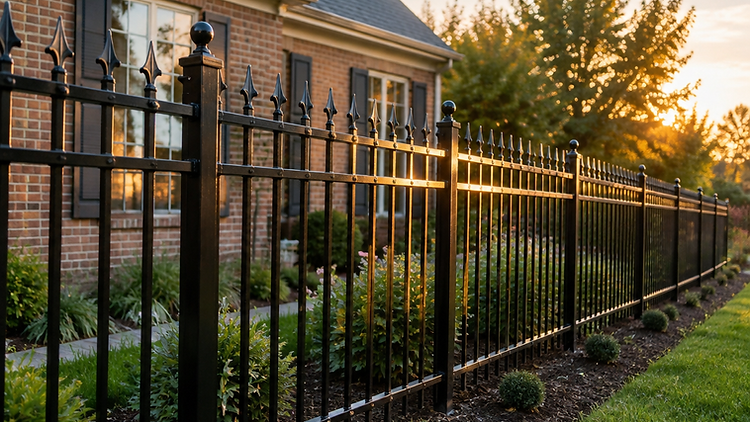
Almost every fence needs one phone call
Fence rules live at the city or county level, and they change block to block. Before you buy anything, call your local building department and ask three questions:
- Is a permit required for a fence at my height?
- What is the maximum fence height allowed in my zoning district?
- Are there setback rules from the property line, easements or the street corner?
Write down the answers and the name of the person who gave them to you.
Height limits, in general terms
Most residential districts allow a fence up to 6 ft in a backyard and 3 to 4 ft in the front yard, with taller fences requiring a variance or a permit. Corner lots frequently carry a visibility triangle: nothing tall within 15 to 25 ft of the intersection so drivers can see. Pool barriers have their own rules that usually override the general height limit.
Easements matter too. If a utility easement runs along the back of your lot, a fence there can legally be removed by the utility at your expense. Fence behind the easement line, not on it.
HOA approval is separate from a permit
An approved city permit does not satisfy your HOA, and an HOA approval does not satisfy the city. Most HOAs want:
- A submittal with the fence location drawn on a plot plan
- Material, color, height and post spacing specified
- Often the exact style, so the neighborhood stays uniform
- Approval before installation, with a deadline to build once approved
Get the approval in writing. Verbal sign-off from a board member is not protection when the board changes.
Settle the property line before you dig
A plot plan from your closing packet is a sketch, not a survey. If there is any doubt, especially on an older lot or where a neighbor's fence already looks off, pay for a boundary survey. It typically costs a few hundred dollars and settles the question permanently.
Practical rules of thumb:
- Do not build within a foot of the line unless local rules say otherwise
- Never move a survey pin or monument
- Talk to your neighbor before you build, even if you are certain of the line. A fence that appears overnight creates disputes that outlast the fence.
- Know that in many states, long-term encroachment can create a legal claim to the land. A survey now is cheaper than a lawyer later.
Call 811 before the first hole
Every state has a free utility locate service reachable at 811, and it is the single highest-value phone call in this entire list. Submit a locate request, wait for the marks, then hand-dig within 18 to 24 in. of any mark. Striking a gas or fiber line is dangerous, expensive and entirely avoidable.
Private lines on your own property are usually not covered: sprinkler systems, landscape lighting, pool plumbing and lines to a detached garage or shed. Those are your responsibility to locate.
A short pre-build checklist
- Confirm permit requirements and height limits with the city
- Get HOA approval in writing
- Survey the line if there is any doubt
- Submit an 811 locate request and wait for the marks
- Locate private irrigation and lighting yourself
- Notify your neighbor before delivery day
Handle those six items and the rest of the project is carpentry.
Turn this into your numbers
Draw your own fence run and get the itemized material list, the cost per foot and a PDF estimate in about a minute.